Who will carry Uganda’s Heritage forward?
Every generation inherits a responsibility that extends beyond buildings, monuments, and landscapes. We also inherit traditions, knowledge, and skills that define who we are as a people. One of Uganda’s greatest cultural treasures is barkcloth, a craft that has been practiced for centuries and continues to tell the story of our identity, resilience, and ingenuity.
Today, however, an important question stands before us: Who will carry this heritage forward?
As technology reshapes how we live and work, many traditional skills risk fading into history. Fewer young people are exposed to indigenous craftsmanship, while many communities continue to lose valuable cultural knowledge that was once passed naturally from one generation to the next.
Yet this challenge also presents an opportunity.
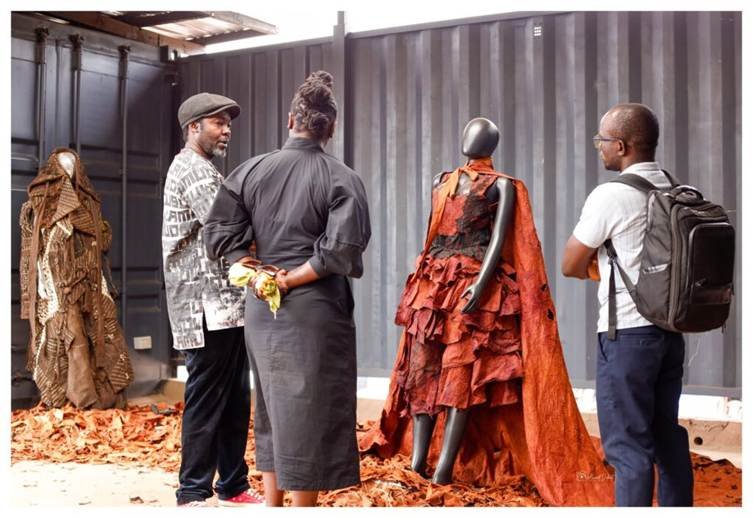
Young people have the creativity, energy, and innovation needed to breathe new life into Uganda’s cultural heritage. Barkcloth is no longer confined to ceremonial use. Today, it is finding its place in contemporary fashion, interior design, fine art, sustainable packaging, tourism, architecture, and the creative industries. This creates opportunities for entrepreneurship, employment, and innovation while preserving an important part of our national identity.
Learning about barkcloth is not simply about mastering a traditional craft. It is about understanding sustainable practices, appreciating indigenous knowledge systems, and recognizing the value of cultural heritage in today’s global economy. Every young person who learns this craft becomes a bridge between generations, protecting history while shaping the future.
At the Barkcloth Center Uganda, we believe that preserving culture begins with education. Through workshops, exhibitions, school outreach, research, and community engagement, we are committed to inspiring the next generation to appreciate and participate in this remarkable tradition. By creating spaces where young people can learn directly from experienced artisans, we ensure that centuries of knowledge continue to thrive.
The future of barkcloth does not depend solely on artisans or cultural institutions. It depends on families who share stories, teachers who introduce cultural education, universities that support research, designers who innovate responsibly, policymakers who protect cultural heritage, and young people who choose to embrace their roots.
Culture survives when it is lived—not simply remembered.
As we invest in the next generation, we are investing in Uganda’s cultural identity, creative economy, and sustainable future. Together, we can ensure that barkcloth remains not only a symbol of our past but also a source of inspiration and opportunity for generations to come.